


The Palmetto State - A Unique History
- Kristen Meeker

- Apr 30
- 3 min read
Have you ever wondered why South Carolina is called the Palmetto State? And what is a palmetto? Let's dig into the state's history.

Key Points
|
A Petite Palm
When thinking of a palm tree, one could picture a tropical island with a tall, slender tree with long fronds, and coconuts waiting to be made into a delicious tropical drink. Now imagine a stunning South Carolina beach, a shorter, stockier palm with fan-shaped fronds, and you’ve got a palmetto: the coconut palm's shorter, broader, (might we say more Southern) cousin! Its name has its roots in the Spanish word palmito, meaning "little palm."
Both trees belong to the same Arecaceae family, with the palmetto producing small berries instead of dates or coconuts. Palmettos grow natively in salt flats, freshwater cypress swamps and barrier islands, which makes our state the perfect habitat.
Palmetto Pride and the American Revolution
Palmetto pride stems all the way from the Revolutionary War, when these trees surprised everyone by protecting patriot soldiers from the onslaught of the British navy.
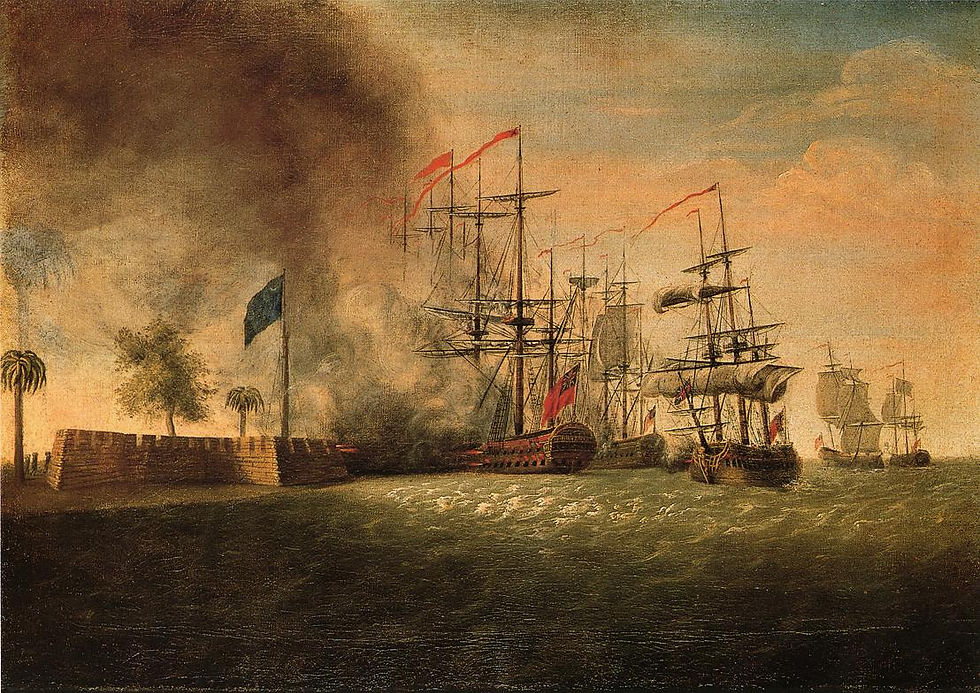
In June 1776, the British naval forces were the strongest in the world, and troops stationed on Sullivan’s Island were concerned about how much protection their defensive wall could provide. This wall (only 10 feet tall and 16 feet wide) was built out of sand and palmetto logs, and only partly finished when the British arrived.

Major General Charles Lee, whom George Washington had sent to help defend the South, was skeptical. He referred to the fort as a “slaughter pen,” sure that the cannonballs would quickly demolish the fort. Colonel William Moultrie, leader of a state regiment, may have been alone in his confidence in the outcome of the upcoming battle. When asked if he could withstand the British forces, he replied “Yes, I think I can.”
The British relied on the effectiveness of their naval bombardment, which would have been devastating to traditional wooden structures. With the power of nine frigates, the British were confident the fort was theirs for the taking.
But when the battle began, the spongy nature of the palmetto wood acted like a shock absorber, preventing splintering debris and extensive damage to the fort. Bolstered by the unexpected protection of the wall, the patriots of the 2nd South Carolina Regiment fought on with bravery.

At the end of the day, twelve patriots lost their lives, compared to 200 British, and one of the British ships was destroyed. The gun powder on the ship Actaeon caught flame and sent a billowing column of fire into the sky. Moultrie is rumored to have said that it looked like a palmetto. What a fitting end to a day saved by these native trees.
This successful defense of the fort is considered the first decisive American victory over the British Royal Navy during the Revolutionary War.
The Sabal palmetto's contribution to this battle was so significant that it became an icon of South Carolina's resilience and resourcefulness. As a result, the palmetto tree was named the state's symbol, appearing on the state flag and seal, thus nicknaming South Carolina the Palmetto State!
Additional fun facts!
Fort Moultrie was originally named Fort Sullivan until the Revolutionary War battle led by Colonel William Moultrie.
Fort Moultrie is one of the only National Park areas that can trace its history through 171 years of American coastal defense.
The Sabal palmetto officially became the state tree in 1939.
The tree’s flexible trunk and deep root system allow it to sway in extreme hurricane winds and stay upright in storm surges.
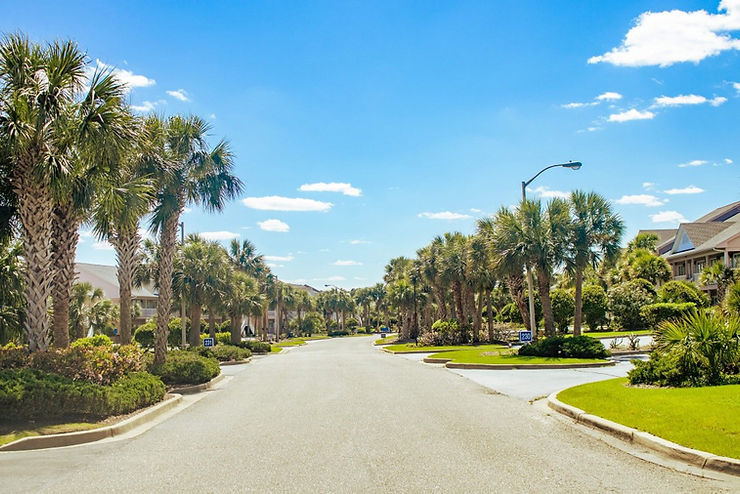
Grand Palms Resort boasts almost 2,000 palmetto trees on our property! To experience the beauty of our South Carolina palmettos in person, reserve your vacation at Grand Palms Resort by calling us at 1-888-913-4477. Come and enjoy the pride of our palmettos with us!

Kristen Meeker
(She/her)
Kristen spent her childhood on the Grand Strand. She studied English and editing in college, spent time in Appalachia and currently lives in the Pacific Northwest. Kristen enjoys quilting, reading, and traveling with her family. She makes her way back to the beach as often as she can!


